
According to the American Brain Tumor Association, about 4,600 children and adolescents are diagnosed with primary brain tumors each year in the United States. Primary brain tumors start in the brain and generally do not spread outside the brain tissue. Brain tumors can affect children of any age, gender, or ethnicity and can cause serious physical, cognitive, and emotional problems.
To assist parents in identifying potential brain tumor symptoms in their child, we offer a childhood brain tumor assessment tool. By responding to a series of straightforward questions, parents can gauge the possibility of a brain tumor in their child, and then they can take appropriate actions for their child’s wellbeing.
How this is calculated
- Each 'Yes' answer counts 1. 'No' and unanswered questions count 0, as in the original assessment.
Formula version 1.0.0
Understanding Childhood Brain Tumors
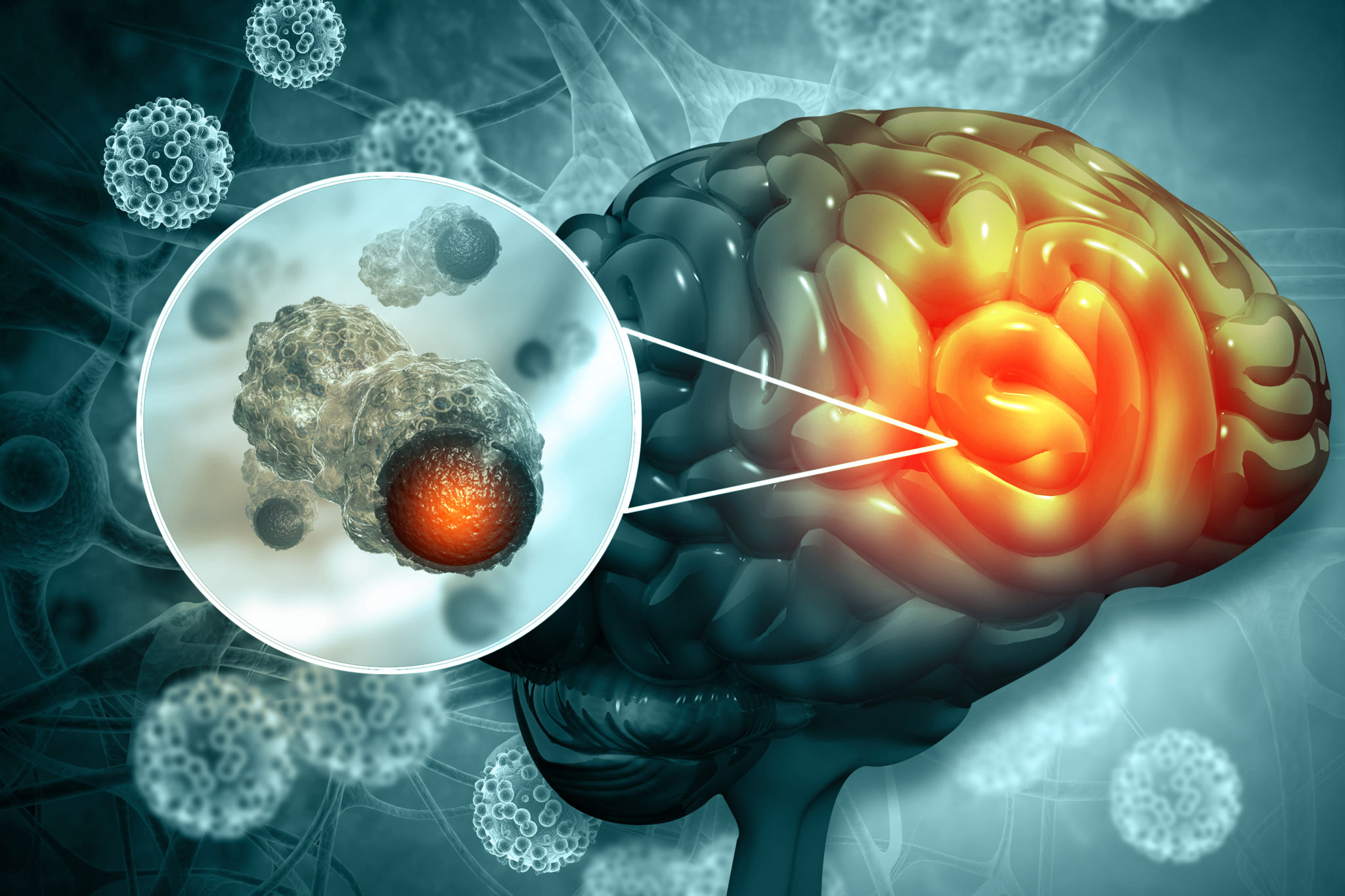
A brain tumor is an abnormal cell growth in the brain or surrounding tissues, categorized as benign or malignant and primary or secondary.
Childhood brain tumor causes are unclear, but potential factors include genetic disorders, radiation exposure, and infections. Tumor type, location, and size affect symptoms and brain function.
Brain tumors impact children’s health, causing headaches, nausea, seizures, vision/balance problems, behavior changes, and learning difficulties. They can also disrupt brain and nervous system development, affecting growth, hormones, and puberty. Also, try our Parenting Teens – Cyber Pedophile Assessment, a crucial tool for parents to recognize and protect their teenage children from online predators.
Importance of Early Detection in Childhood Brain Tumors
Early detection of brain tumors is crucial for better treatment outcomes and improved quality of life for children. Prompt diagnosis offers more treatment options like surgery, radiation, chemotherapy, immunotherapy, or targeted therapy. Early treatment reduces complications, brain damage, disability, or recurrence risks.
Our childhood brain tumor assessment tool provides a preliminary indication of potential brain tumor presence based on typical symptoms. While not a substitute for professional diagnosis, it aids in deciding whether to consult a doctor or specialist for further evaluation.
How Should Parents Cope With Childhood Brain Tumor?
Coping with a childhood brain tumor diagnosis requires immense emotional resilience and support for both the child and their family. Here are some strategies and insights gathered from reputable sources to help parents navigate this challenging journey:
- Embrace Family Support and Resilience: Stories from families, such as the Prince family, who have navigated childhood brain tumor journeys, highlight the importance of familial love, resilience, and support. Engaging in activities and finding personal coping mechanisms, like running for some, can also provide solace and a sense of control during this tumultuous time.
- Seek Professional and Social Support: It’s crucial to lean on the expertise and support of social workers, counselors, and healthcare professionals. Additionally, sharing your experience with friends family, or joining support groups can provide emotional relief and practical assistance. Strategies like exercising, listening to music, or journaling can also help manage stress and anxiety.
- Be Informed and Involved in Your Child’s Care: A thorough understanding of your child’s diagnosis, treatment options, and the potential impact on daily life is essential. It helps to ask questions, keep track of medical information, and be actively involved in decision-making processes. Knowing the common symptoms of childhood brain tumors, such as persistent vomiting, headaches, abnormal eye movements, and seizures, can also be crucial for early detection and treatment.
- Understand and Address Psychological Impacts: Acknowledge the emotional and psychological impacts of a cancer diagnosis on your family. It’s normal to experience a range of emotions, from shock and denial to fear and anger. Post-traumatic stress symptoms are common among parents and siblings of children with cancer, and early intervention with psychosocial services can be beneficial. Identifying at-risk families through tools like the Psychosocial Assessment Tool (PAT) can ensure tailored psychosocial care.
- Join Community and Online Support Groups: Connecting with other families who are going through similar experiences can provide invaluable support. Many charities and foundations offer online communities, support groups, and workshops for parents and siblings, offering a safe space to share stories, access grief resources, and participate in activities that promote healing and resilience.
Remember, while navigating this journey, caring for your well-being is as important as caring for your child. Engaging in self-care practices, seeking professional guidance, and reaching out for support can empower you to provide the best care for your child while managing your health and emotions. For more detailed advice and support, consider exploring resources provided by organizations like the Children’s Brain Tumor Foundation and The Brain Tumour Charity.
Also, try our Parenting Teens – Binge Eating Assessment, offering support and guidance for parents addressing binge eating behavior in their teenage children.
Treatment Options and Supportive Care
Treatment of childhood brain tumors varies based on factors like tumor type, grade, stage, location, child’s age, health, and family preferences. The main options include:
- Surgery: Removes tumor while preserving normal brain tissue via techniques like craniotomy or stereotactic radiosurgery.
- Radiation therapy: Uses high-energy rays to shrink tumor cells externally or internally.
- Chemotherapy: Kills or stops tumor growth using drugs orally, intravenously, intrathecally, or intra-arterially.
- Immunotherapy: Stimulates the immune system to fight tumor cells with vaccines, antibodies, cytokines, or cell-based therapies.
- Targeted therapy: Drugs target specific molecules or genes involved in tumor growth via pills, injections, or infusions.
Treatment may cause side effects like fatigue, nausea, hair loss, infection, or nerve damage, requiring supportive care such as pain relief, anti-nausea meds, antibiotics, or rehabilitation. Emotional effects like anxiety or depression may necessitate counseling, psychotherapy, or support groups for coping.
The Bottom Line:
In conclusion, childhood brain tumors present a significant health challenge, affecting approximately 4,600 children and adolescents annually in the U.S. They can have profound physical, cognitive, and emotional impacts on affected children. Early detection and treatment are crucial for improving outcomes. Using our childhood brain tumor assessment can significantly help parents in early detection.
Additional Resources
Related Assessments
Brain tumours kill more people under the age of 40 than any other cancer, including more children and life expectancy for people with brain tumours has not increased for 40 years.
https://www.drviraldesai.com/